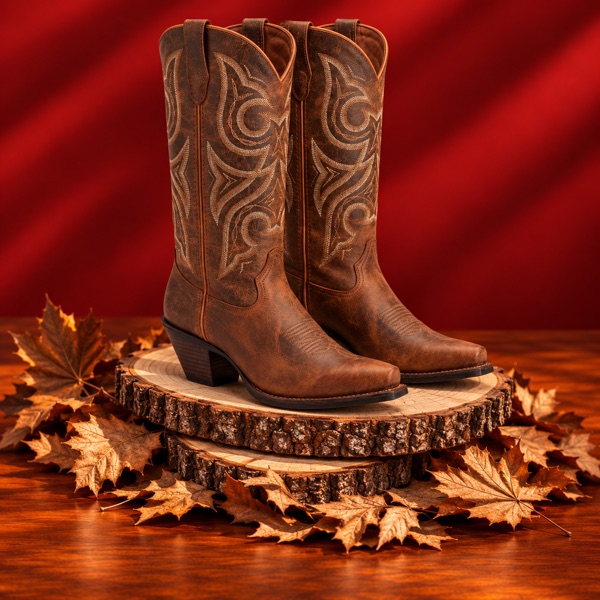
Leather conditioner feeds a boot. Worked into leather that has dried out, it keeps the flex points supple, which is what slows cracking. It does not sit on the surface the way a protector spray does, and it will not turn a town boot into a waterproof one.
Clean the boot and let it dry before any conditioner goes on, then try a hidden patch in case the colour deepens. Dasco is the care range we keep in depth, and we will tell you if your leather wants a wax or a suede product instead.
Condition smooth leather once it looks dry or the creases have gone pale. Bring Barbour, R. M. Williams, Dubarry, Meindl, Red Wing and Dr Martens boots in if you are unsure, because those leathers do not share one tin. A leather conditioner for shoes in the UK is the same decision: the leather chooses the product.
People ask for the best leather conditioner in the UK. The fair answer is the tin that matches the leather. See the Dasco shoe care guide and our shoe care range.
Yes, on smooth leather that has dried out. It puts suppleness back after flexing and after wet weather. Skip suede, nubuck and patent unless the product is made for them. New boots that still feel rich usually need nothing yet.
Match the product to the leather and use it thinly. Dasco is what we stock properly, and a bootmaker’s own tin is worth using when the pair came with care notes. Bring the boots in and we will read the leather with you.
Two or three times a year covers boots worn in the dry. Daily winter boots often want a feed every four to eight weeks, plus once more after a soaking, once they have dried naturally. If the leather still feels supple, wait.
No. Cream on damp leather drives dirt in and can stain. Dry the boots fully first, away from direct heat, with paper inside if they are sodden. Heat cracks leather faster than a missed feed.
Conditioner feeds. A protector spray is a separate barrier for light rain and stains, and it goes on only after the conditioner has dried. Both on the same afternoon, in that order, is reasonable.
If you are unsure which tin to open, bring the boots to Gabriel’s Hill in Maidstone. We would rather see the leather than guess. Our shoe care department and the leather protector spray page cover the next step.
 customer service reviews