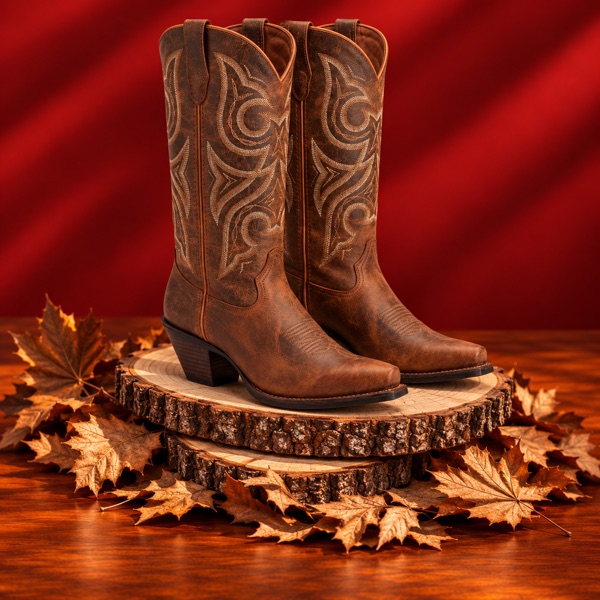
A leather protector spray is a barrier, not a feed. Used on clean, dry leather it helps light rain, road salt and everyday stains sit on the surface, where a cloth can take them off. It will not nourish a dry upper, and it will not make an ordinary shoe waterproof.
Take the dirt off, let the shoe dry, and test an inside seam before you treat the whole pair. Dasco accounts for most of the sprays we sell. If the leather already feels starved, feed it and let that dry, then spray.
Smooth leather is the usual candidate. Suede and nubuck need a spray labelled for nap, or the pile can flatten and darken. Patent often marks, so ask first. Canvas wants a fabric protector. Dubarry, Meindl, Barbour, R. M. Williams and Dr Martens do not share one product: bring the shoe if the can does not name the material.
Read the can, then the Dasco shoe care guide. Brushes and cloths are in shoe care. A wet path still needs waterproof footwear.
It adds a light resistance to water and stains on clean, dry leather, so spills wipe off more easily. It is not a guarantee against a puddle, and it does not feed the hide.
Clean, dry, test a hidden spot, then spray light passes in a ventilated space. Let the pair dry before you wear them. New shoes can be treated before a first outing if the test spot looks unchanged.
Every couple of months is fair for town shoes. Respray after heavy rain, once the shoes have dried, because the barrier thins at the toe and heel. If water still beads, you can wait.
No. It improves beading, and seams and standing water still get through. For dry feet on a wet path, choose a boot built to be waterproof and keep the spray for town shoes.
Only if the label says suede or nubuck. A smooth-leather spray can flatten the nap and darken it. Test first, or bring the pair in and we will check the tin against the shoe.
We can spray a pair for you, or check the leather before you do it at home, at the shop on Gabriel’s Hill in Maidstone. Start from shoe care if you still need a brush or a cloth, and from leather conditioner for boots if the upper is dry.
 customer service reviews